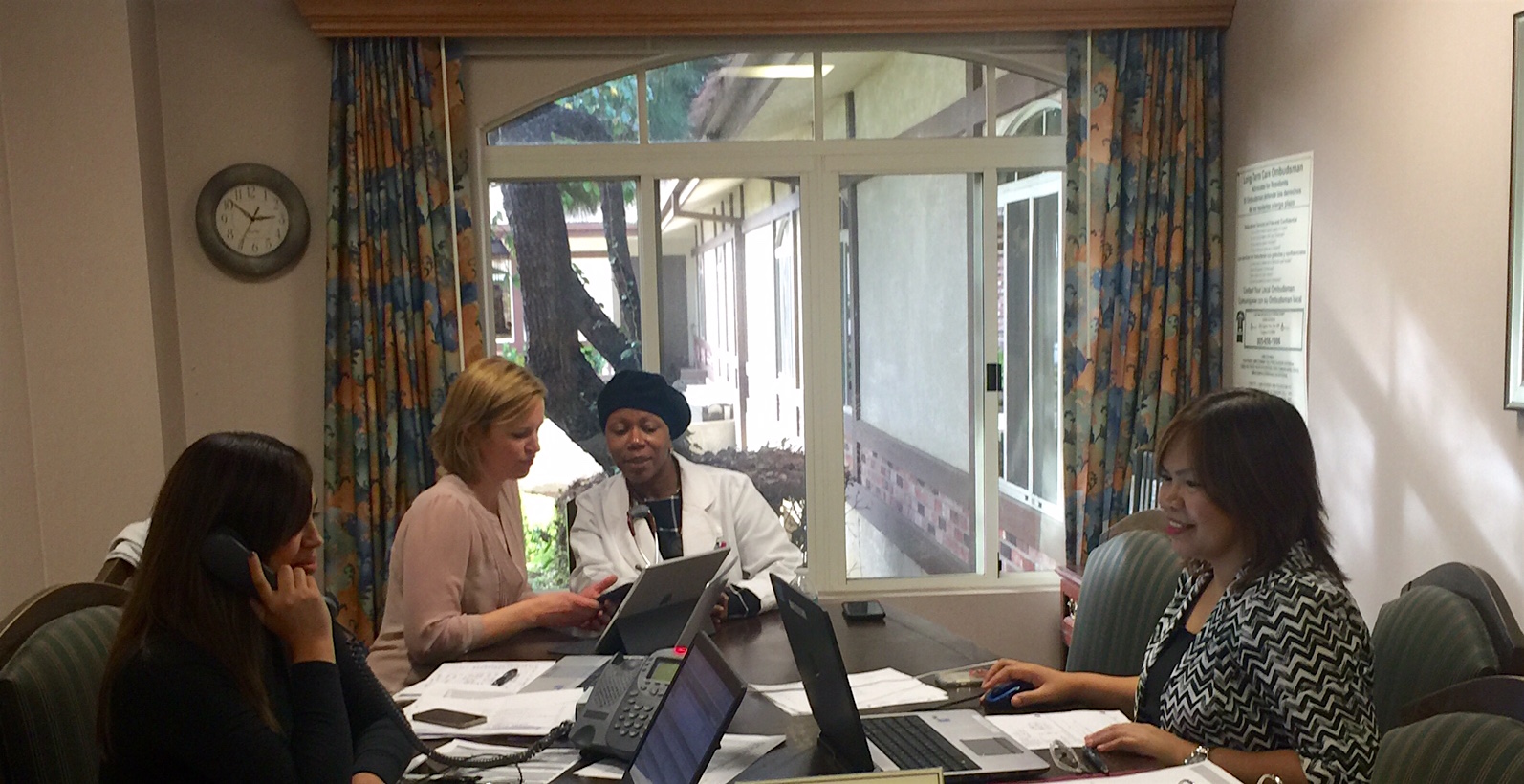
collaboration-teamAs a nurse practitioner collaborating with a physician to manage a group of patients within long term care facilities or skilled nursing facilities I find it imperative to implement and consistently utilize a multidisciplinary team approach. A team approach that actively incorporates members from the other health care areas such as MDS, Social Services, Physical/Occupational/Speech Therapy, Pharmacy, Dietitian and if applicable the Surgeon, Infectious Disease and a Specialty Physician – all to ensure for the best patient outcome. 

Lastly, it is also important to familiarize yourself with current policies and procedures such as understanding Medicare and your State’s Board of Registered Nursing laws. 

For example:

  • Medicare requires that the initial visit (history and physical), for the purpose of certifying that the patient requires skilled care, must be performed by a physician. An NP may, however, make a “medically necessary” visit without an initial physician visit; this could occur when a newly admitted Medicare patient in a skilled nursing facility develops a problem that requires medical evaluation and intervention, before being seen by the physician.
  • The NP is responsible for the accuracy and adherence to regulations for all billing claims submitted under the NP’s Medicare provider number, even though the actual completion of forms may be done by a billing service.
  • Medicare requires NPs to be certified by a recognized national certifying body such as American Nurses Credentialing Center (ANCC) in order to become a Medicare provider.
  • Medicare defines collaboration as “a process whereby a NP works with a physician to deliver health care services within the scope of the NP’s professional expertise with medical direction and appropriate supervision as provided for in jointly developed guidelines or other mechanisms as defined by Federal regulation and the law of the state in which the services are performed.
 

zika-by-state-report-06-09-2016
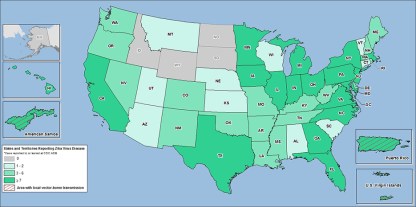
Zika virus disease cases in United States, 2015–2016 (as of June 08, 2016)

Zika Virus:  Map of laboratory-confirmed cases reported to ArboNET by state or territory — United States, 2015–2016 (as of June 08, 2016)

According to the CDC… “Zika virus disease (Zika) is a disease caused by the Zika virus, which is spread to people primarily through the bite of an infected Aedes species mosquito. The most common symptoms of Zika are fever, rash, joint pain, and conjunctivitis (red eyes). The illness is usually mild with symptoms lasting for several days to a week after being bitten by an infected mosquito. People usually don’t get sick enough to go to the hospital, and they very rarely die of Zika. For this reason, many people might not realize they have been infected. However, Zika virus infection during pregnancy can cause a serious birth defect called microcephaly, as well as other severe fetal brain defects.” 

What we know

  • No vaccine exists to prevent Zika virus disease (Zika).
  • Prevent Zika by avoiding mosquito bites (see below).
  • Mosquitoes that spread Zika virus bite mostly during the daytime.
  • Mosquitoes that spread Zika virus also spread dengue and chikungunya viruses.
  • Zika virus can be spread during sex by a man infected with Zika to his sex partners.

For more information… 

  1. Protect Yourself Against Zika Virus
  2. Zika – The Basics of the Virus and How to Protect Against It
  3. Mosquito Bite Prevention
  4. Testing Algorithm for a Pregnant Woman with Possible Exposure to Zika Virus


SB 323 (Hernandez and Eggman)

Support SB 323 photoFull Practice Authority for Nurse Practitioners

Purpose – Senate Bill 323 will allow California’s approximately 22,000 Nurse Practitioners (NPs) to practice to the full extent of their education and training. This new law would ensure access to the health care delivery system and help the millions of Californians who now have access to coverage through the Affordable Care Act (ACA). Increased coverage and quality care will also save California money over the long run.

SB 323 will grant NPs full practice authority, under a specified scope of practice, if he or she has national certification and liability insurance. Specifically, this bill:
1) Permits a NP to practice without physician supervision if the NP is certified by a national certifying body, maintains professional liability insurance that is appropriate for his or her practice setting, and is practicing in one of the following settings:
  • An accountable care organization, as specified; or,
  • A group practice, a medical group, or an independent practice association.
  • A clinic, health facility, or county medical facility;

2) Specifies the scope of practice for NPs. Specifically, permits and independent NP, in the listed above, to perform services that are widely agreed to be the extent of services that NP perform today.

3) Requires a NP to refer a patient to a physician and surgeon or another licensed health care provider if a situation or condition of the patient is beyond the NP’s education or training. 

4) Requires these NPs to have medical malpractice insurance
Email you local California elected Senator and/or Assemblymember and ask them to support Senate Bill 323 by voting YES!
Click on this site and enter your California address and click to find your
State Senate and Assembly representatives.